Fiberplane logo

Overlooked Components of the Software Factory

(Or: What we learned turning agent work into a unsupervised software factory)

What We're Building At Fiberplane

Primitives to create your own self-driving software factory

  • fp: local-first issue tracking for humans and coding agents.

  • drift: Bind docs to code and check for drift.

  • switchyard: a light software factory for Effect.ts monorepos

  • rv: evidence review tool (coming soon!)

Links:
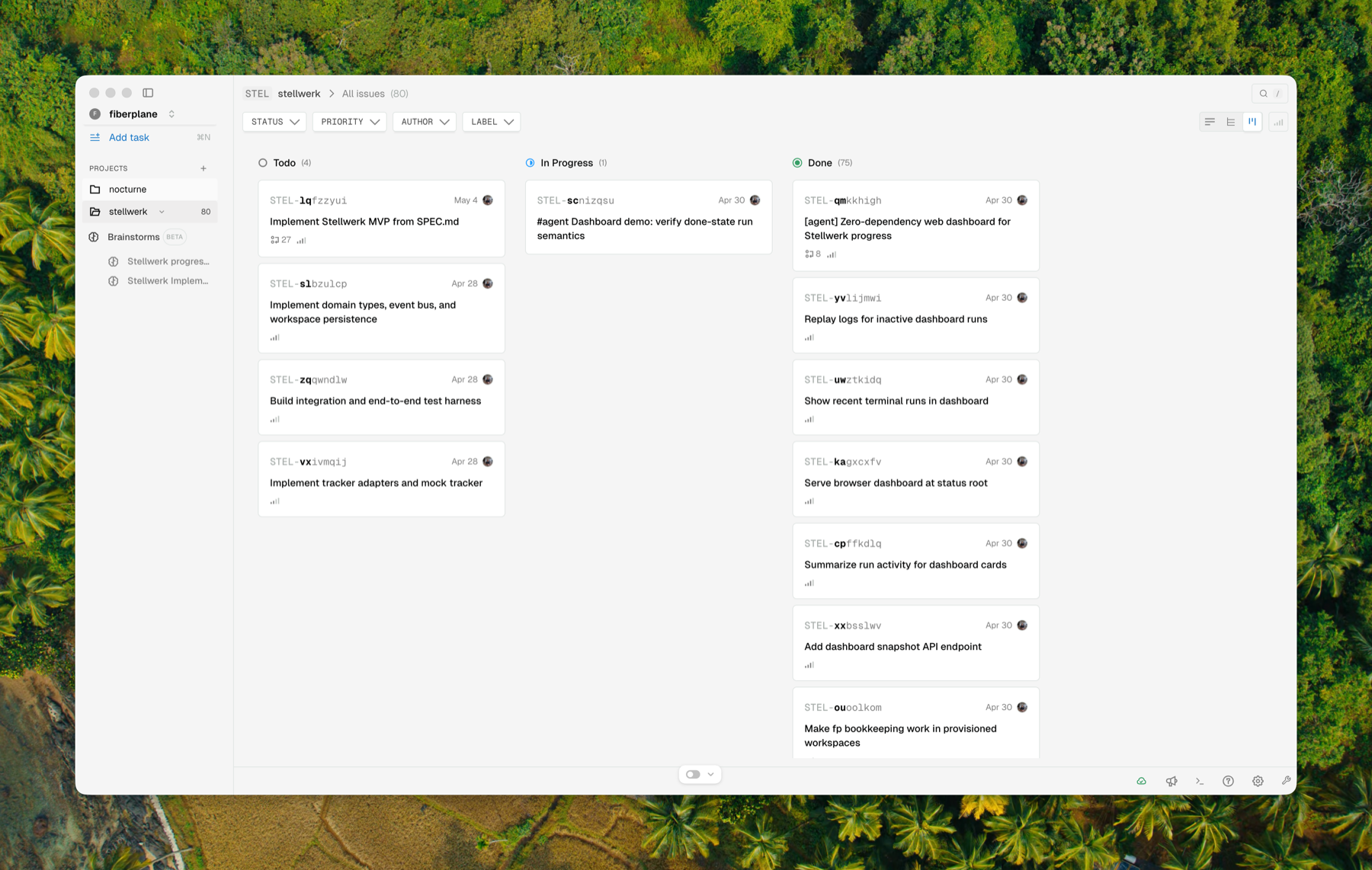
Fiberplane issue board showing Switchboard work moving through todo, in-progress, and done

Everyone Is Talking About Software Factories

  • OpenAI: "An open-source spec for Codex orchestration: Symphony."

  • StrongDM AI: "Software Factories And The Agentic Moment."

  • Simon Willison: "How StrongDM's AI team build serious software without even looking at the code."

  • exe.dev: "Everyone is building a software factory."

"A Dark Software Factory is an autonomous software production loop where agents turn intent into shipped code, validated by scenarios, and evidence, instead of human line-by-line review."

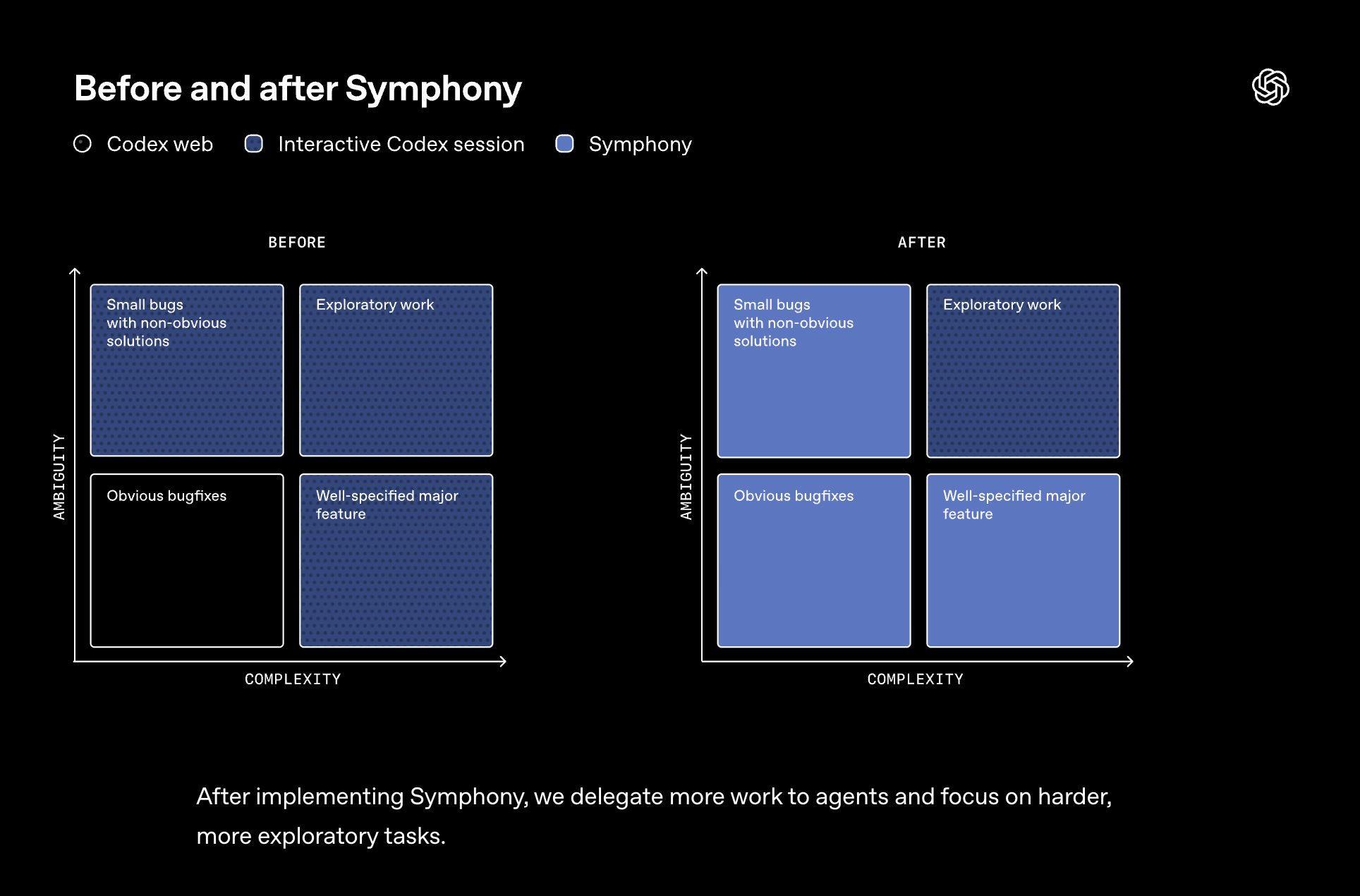
OpenAI's Symphony

OpenAI Symphony before-and-after matrix showing more work delegated to agents across ambiguity and complexity

What We'll Cover

  • Issue Tracker (fp)

  • Orchestrator (Codex)

  • Workers (Codex in Daytona Sandboxes)

What We Won't Cover

  • Planning

  • Review / Verification

  • Factory Observability

What’s overlooked about them?

  • How they connect to each other

    • How the orchestrator picks up and dispatches work to implementer

    • How code gets pulled in/out of sandboxes

      • Pulled down from GitHub?

      • Local worktree scp’d or mounted?

    • How work on dependent tasks gets merged together

  • Responsibilities of orchestrator versus the implementer

    • Who updates tickets?

    • Who files new tickets? (If out of scope bug found)

  • The interface

    • Issue tracker?

    • Slack?

A Factory Is A State Contract

A software factory is not mainly an agent launcher. It is a consistency contract between four layers:

LayerQuestion
Trackerwhat work is eligible?
Orchestratorwhat work is picked up?
Workerwhat is happening now?
Humanwhat can a human trust?

Correct means these layers agree. Safe means disagreements are visible before they become silent wrong behavior.

Demo

Demo QR code

fp.dev